Group B Strep International
  • Home
  • About GBS
    • What Is Group B Strep? >
      • Prenatal-onset GBS Disease
      • Early-onset GBS Disease
      • Late-onset GBS Disease
      • GBS in Nonpregnant Adults
      • Maternal GBS Infections
    • How to Help Protect Your Baby >
      • How Do You Get GBS?
      • GBS Testing
      • Testing Negative
      • Subsequent Pregnancy
      • Risk Factors
    • Signs of GBS Infection
    • GBS Vaccine Efforts
  • Resources
    • GBS Awareness Materials
    • Online Learning Events >
      • GBS Community Days 2023
      • ICGBS 2022
      • ICGBS 2021
      • ICGBS 2020
      • ICGBS 2019
      • Prenatal Infection Prevention Symposium
      • POGBSD Symposium
    • Prenatal Infection Prevention Resources
    • GBS Medical Articles and Abstracts
    • GBS Parent Connection & Grief Support
  • Parent Stories
    • GBS Babies
    • Story Submission
    • Subsequent Pregnancies
    • Possible GBS Infections
    • Perinatal Infection Stories
  • WAYS TO HELP
    • Make a Donation
    • Fundraising
    • The WAVES Study
    • Campaigns & Projects
    • Awareness Calendar >
      • Group B Strep Awareness
      • Prenatal-onset GBS Disease Recognition Month
      • Prenatal Infection Prevention Month
    • Suggested Topics for Researchers
  • About Us
    • Our Mission
    • Our Board of Directors
    • Our Partners & Perinatal Health Affiliates
    • Fast Facts
    • Contact Us
en français (in French)
WHAT GBS SIGNS DO BABIES SHOW?​
Not all babies exposed to group B strep become infected, but, for those who do, the results can be devastating. Even babies born to a parent who tests negative can become infected by group B strep. While most cases of early-onset can be prevented through IV antibiotic intervention during labor and delivery, there are no prevention protocols in place for prenatal-onset or late-onset. That's why knowing and recognizing the signs of invasive GBS disease (iGBS) is so important - they're often your first defense. GBS is a fast-acting type of bacteria, so if you notice any of the signs of infection in your baby, contact your health care provider immediately!
…during pregnancy?
Contact your care provider immediately if you experience either:
  • Decreased or no fetal movement after your 20th week  (Note: While the type of fetal movements may change in the third trimester, there is no evidence to support that the number of fetal movements decrease because there is less room for your baby to move.)
  • ​Frenzied fetal movement 
  • You have any unexplained fever
…once born?​
Call your baby’s care provider immediately or take your baby to the emergency room if you notice any of these signs or changes:
  • Temperature
  • Sounds
  • Breathing
  • Skin Appearance
  • Eating habits
  • Sleeping habits
  • Behavior
View and Download GBS Signs Info Sheet
​If you would like to share an audio/video clip or an image of your baby displaying one or more signs of a GBS infection, please contact us at [email protected].
 
Temperature
A common sign of most infections is a change in body temperature. (Note: hands and feet may still feel cold even with a fever.) GBS can cause high and low temperatures - seek medical advice you notice these changes to your baby's body temperature:
  • Fever
  • Low temperature
  • Unstable temperature​
 
Sounds
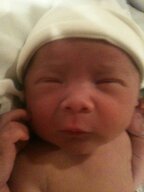
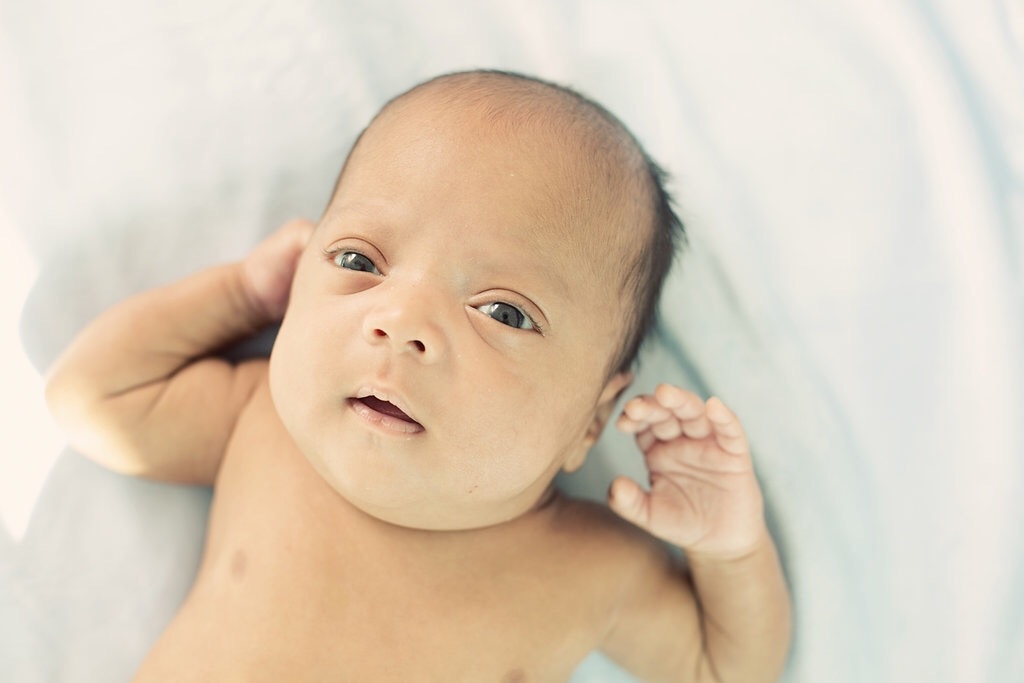
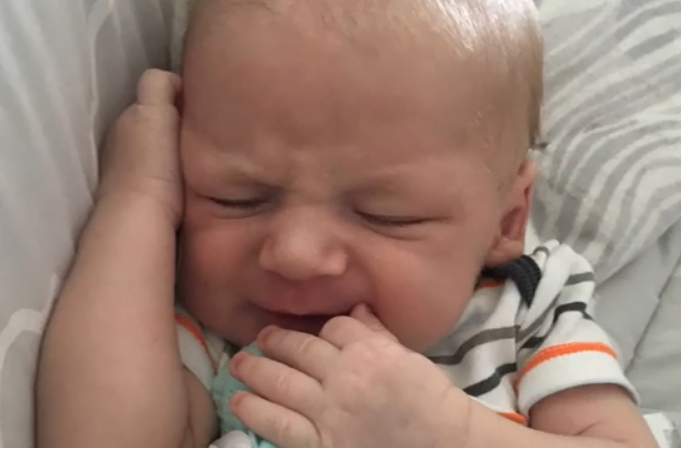
A group B strep infection can cause your baby to make different sounds. Grunting is a common sign of meningitis in babies. Listen to your baby and seek medical care if you notice something wrong!
  • Constant grunting or moaning as if constipated or in distress
  • High-pitched cry, shrill moaning, whimpering​
  • Inconsolable crying
Picture
​Wren's Full Story

Picture
Picture
 
Breathing
Signs of a GBS infection include changes in breathing. Be aware that GBS can cause pneumonia. (Note: being unable to latch can be a sign of breathing difficulties.)
  • Fast, slow, or difficult breathing
 
Skin Appearance
Jasmine's Full Story
Picture
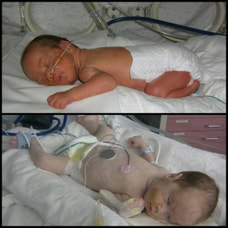
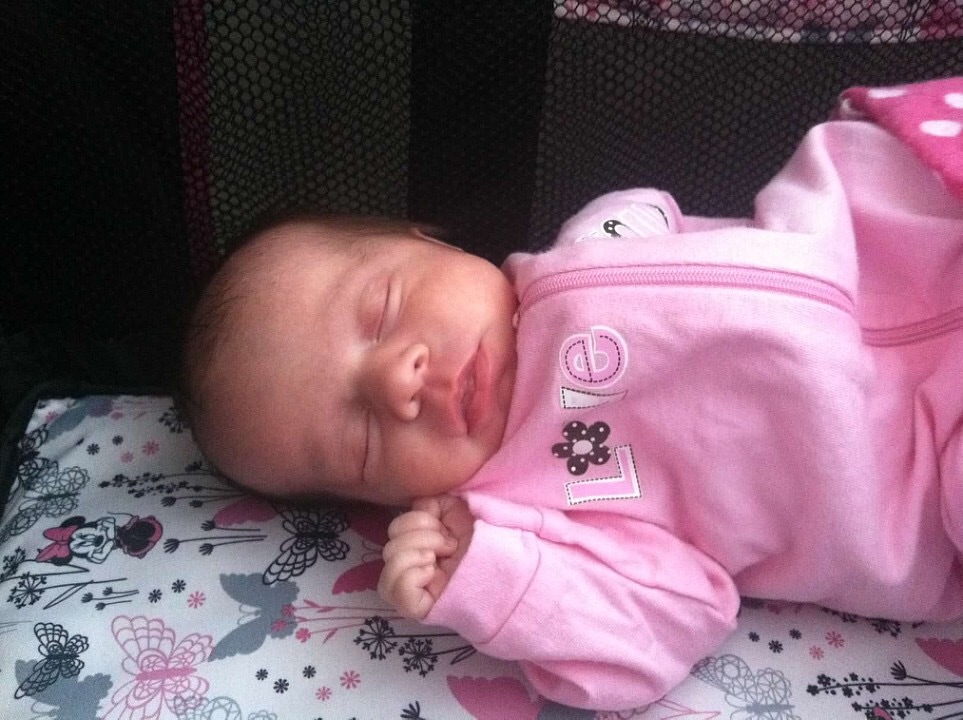
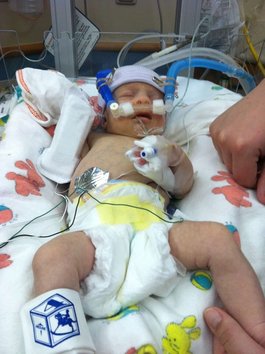
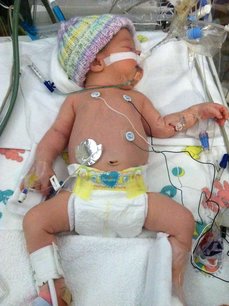
Top: Premature but otherwise healthy Jasmine Below: Jasmine with cardiovascular shock-induced pallor due to late-onset GBS disease
The hue or color of your baby's skin may noticeably change:
  • Blue, gray, or pale skin due to lack of oxygen​
  • Blotchy or red skin​
  • Tense or bulgy spot on top of head (fontanel)  (Note: A sunken fontanel can be a sign of dehydration, possibly from not eating)
  • Infection (pus and/or red skin) at base of umbilical cord or in puncture on head from an internal fetal monitor
 
Eating Habits
As a baby becomes infected with GBS, you may notice these changes in their eating habits:
  • Feeds poorly or refuses to eat
  • Not waking for feedings​
  • Projectile vomiting
 
Behavior
Picture
​GBS can infect a baby's bones and joints. Molly survived two GBS infections in the same bone.
Your baby's behavior can indicate a GBS infection. Take note of changes in the way your baby acts, including their movements. Please, note that GBS can also infect bones and joints. You may notice the following:
  • Marked irritability​
  • Reacting as if skin is tender when touched​​
  • Listless, floppy
  • Not moving an arm or leg​
  • Blank stare
  • Body stiffening, uncontrollable jerking ​
 
Sleeping Habits
GBS can cause changes in how your baby sleeps. Be aware of the following:
  • Sleeping too much
  • Difficulty being aroused​ ​​
How to Recognize the Signs
Picture
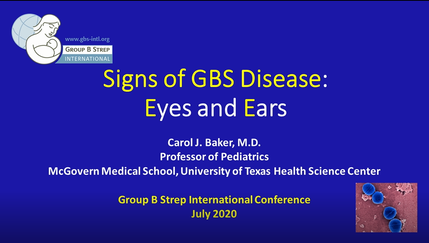
Special thanks to Dr. Carol J. Baker, renowned pediatrician and GBS expert,
for providing parents with crucial information to help recognize the signs of GBS disease in their babies!

Please view her presentation –
Signs of GBS Disease: Eyes and Ears


The Progression of Infection: Cheyenne's Story
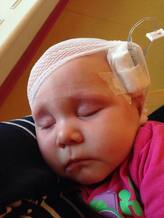
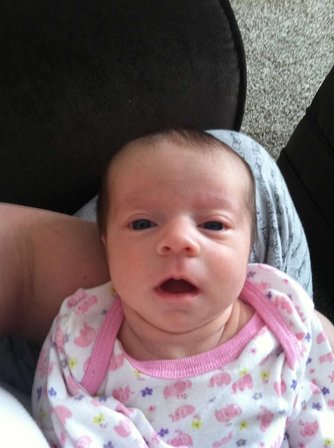
GBS is a very fast-acting type of bacteria that can make a baby critically ill often within just a few hours. Special thanks to Cheyenne's mother for sharing the following progression photos showing how rapidly GBS can become life-threatening:

Picture
This was Monday when we went for her 2 week check up and everything checked out great.
Picture
This was Tuesday and she had some diarrhea but otherwise was just sleepy. Now looking back at these pictures there was a huge difference from Monday to Tuesday in her head and the swelling. I wish I would have caught it sooner and maybe she wouldn't have had the strokes she did.
Picture
This was Wednesday morning June 11 the day my life changed. This was around 11am.
Picture
This picture was Wednesday afternoon around 6pm after we got to the NICU. They tried bipap first but had to intubate later that night.
Picture
This was Wednesday night June 11 around midnight. Her heart rate wouldn't come down and the swelling in her head made her so startled she would scream and her heart rate would go up more so they sedated her and intubated her.
Read Cheyenne's full story
Downloadable Resources
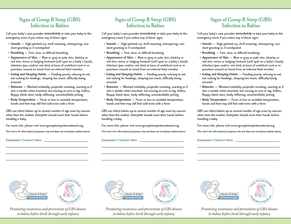
Download our convenient three-to-a-page handout listing Signs of GBS Infection in Babies and post visibly for quick reference for everyone who takes care of your baby.
 En español (8.5x11) |  En español (A4)
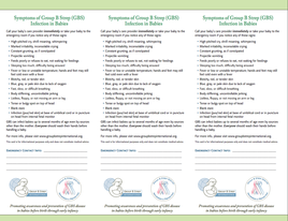
Our Signs of GBS Infection in Babies are also available in a category format – Sounds, Breathing, Appearance of Skin, Eating and Sleeping Habits, Behavior, and Body Temperature.
En español ​(8.5x11) | En español (A4)
For more resources check out our materials available for download or our online store!

Join the Campaign against GBS Disease in babies!

- Make a donation
- Tell your story!
- Distribute GBS awareness brochures
- Help translate GBS information
- Send us links to articles about GBS
Make a Donation
Shop to Support

​CONNECT TO GBSI


© COPYRIGHT 2017 -
​GBSI ALL RIGHTS RESERVED.
 
Terms and Conditions 
Privacy Policy
  • Home
  • About GBS
    • What Is Group B Strep? >
      • Prenatal-onset GBS Disease
      • Early-onset GBS Disease
      • Late-onset GBS Disease
      • GBS in Nonpregnant Adults
      • Maternal GBS Infections
    • How to Help Protect Your Baby >
      • How Do You Get GBS?
      • GBS Testing
      • Testing Negative
      • Subsequent Pregnancy
      • Risk Factors
    • Signs of GBS Infection
    • GBS Vaccine Efforts
  • Resources
    • GBS Awareness Materials
    • Online Learning Events >
      • GBS Community Days 2023
      • ICGBS 2022
      • ICGBS 2021
      • ICGBS 2020
      • ICGBS 2019
      • Prenatal Infection Prevention Symposium
      • POGBSD Symposium
    • Prenatal Infection Prevention Resources
    • GBS Medical Articles and Abstracts
    • GBS Parent Connection & Grief Support
  • Parent Stories
    • GBS Babies
    • Story Submission
    • Subsequent Pregnancies
    • Possible GBS Infections
    • Perinatal Infection Stories
  • WAYS TO HELP
    • Make a Donation
    • Fundraising
    • The WAVES Study
    • Campaigns & Projects
    • Awareness Calendar >
      • Group B Strep Awareness
      • Prenatal-onset GBS Disease Recognition Month
      • Prenatal Infection Prevention Month
    • Suggested Topics for Researchers
  • About Us
    • Our Mission
    • Our Board of Directors
    • Our Partners & Perinatal Health Affiliates
    • Fast Facts
    • Contact Us