Group B Strep International
  • Home
  • About GBS
    • What Is Group B Strep? >
      • Prenatal-onset GBS Disease
      • Early-onset GBS Disease
      • Late-onset GBS Disease
      • GBS in Nonpregnant Adults
      • Maternal GBS Infections
    • How to Help Protect Your Baby >
      • How Do You Get GBS?
      • GBS Testing
      • Testing Negative
      • Subsequent Pregnancy
      • Risk Factors
    • Signs of GBS Infection
    • GBS Vaccine Efforts
  • Resources
    • GBS Awareness Materials
    • Online Learning Events >
      • GBS Community Days 2023
      • ICGBS 2022
      • ICGBS 2021
      • ICGBS 2020
      • ICGBS 2019
      • Prenatal Infection Prevention Symposium
      • POGBSD Symposium
    • Prenatal Infection Prevention Resources
    • GBS Medical Articles and Abstracts
    • GBS Parent Connection & Grief Support
  • Parent Stories
    • GBS Babies
    • Story Submission
    • Subsequent Pregnancies
    • Possible GBS Infections
    • Perinatal Infection Stories
  • WAYS TO HELP
    • Make a Donation
    • Fundraising
    • The WAVES Study
    • Campaigns & Projects
    • Awareness Calendar >
      • Group B Strep Awareness
      • Prenatal-onset GBS Disease Recognition Month
      • Prenatal Infection Prevention Month
    • Suggested Topics for Researchers
  • About Us
    • Our Mission
    • Our Board of Directors
    • Our Partners & Perinatal Health Affiliates
    • Fast Facts
    • Contact Us

Group B Streptococcus in Breastmilk

7/22/2019


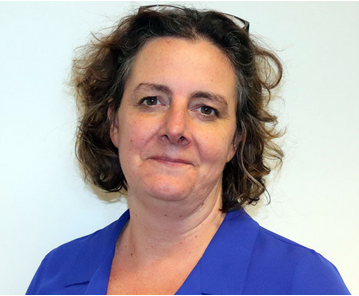
​Kirsty Le Doare, MD, PhD 

Picture
Kirsty Le Doare, MD, PHD
Dr. Kirsty Le Doare is a Bill and Melinda Gates Foundation and National Institute for Health Research funded Future Leaders Fellow working between the UK and Uganda. She has over 15 years of clinical and research experience in childhood infection. She completed her undergraduate medical training and paediatric academic training in London, UK. During her PhD she investigated Group B Streptococcal functional antibody in blood and breastmilk and its role in protection against infant colonisation in the Gambia using a novel complement deposition assay.She leads a neonatal immunology network, an international network of clinicians and scientists working together in neonatal GBS that extends to 12 countries worldwide.She is currently leading a Bill and Melinda Gates Foundation funded international collaboration to standardize assays to measure antibody against GBS with the aim of facilitating the development of an immune correlate of protection against GBS colonization and disease. Her main research interests are age-related immune responses to infectious diseases, in particular to Group B-streptococcus (GBS) in neonates and maternal vaccination.She is involved in pre-clinical vaccine development, multi-centre clinical trials and infectious diseases epidemiology research in the UK and in Africa.
Marti Perhach
7/22/2019 09:48:40 pm

Thank you, Dr. Le Doare, for all of your very important work on GBS in breastmilk. I enjoyed your timeline on the evolution of GBS disease.

Susanna Wright
7/23/2019 10:49:25 am

What is the process of having breastmilk tested?

Kirsty Le Doare
7/23/2019 12:39:13 pm

If a clinician suspects that an infant is getting recurrent GBS disease or that the infant is not getting better on antibiotics then they may suggest sending a sample of breast milk to the microbiology laboratory for culture. We carry GBS naturally without it causing harm and it can be a normal part of the baby's gut flora so just finding GBS in milk doesn't mean that it will cause disease in an otherwise healthy baby. There are over 6 million microbes in milk that do us no harm.

Marti Perhach
7/23/2019 03:07:26 pm

Do you have any suggestions for best practices on infant feeding for a mom who wants to breastfeed her newborn but has had a previous baby infected by GBS linked to her breastmilk? In terms of risk of infection, but also her understandable anxiety?

Diana Dunsmore
7/23/2019 03:01:57 pm

Thank you for a very educational presentation. I am a GBS survivor's grandmother and had not heard of GBS prior to my daughter-in-law testing positive. She rec'd a penicillin alternative during labor, but unfortunately no information on what to watch for in the newborn. They were breastfeeding very successfully. As it turned out my grandson presented all of the symptoms my after-the fact research described before having seizures at 3 weeks. He was diagnosed with meningitis and sepsis and prescribed 4 weeks of antibiotics. They continued with BM through pumping and tube feeding. As the antibiotics were extended to 5 then 6 (and finally 8) weeks, I began to research the connection between BM and infection. I found study with a correlation of 2 out of 75 cases and asked that the milk be tested. Both the pediatrician and infectious disease doctors stated they support the use of BM and did not know of such a test. Our county health department's infectious disease person could not help me either.(Of course I then lost credibility with my son.) Additional research located a highly ranked professional who would guide them in the protocol, but in the end there was deep divide over the need and the milk was not tested.
Where to find information about the actual test process please? What is the best avenue to spread that information to pediatricians and infectious disease specialists?
Thank you, Diana

Kirsty Le Doare
7/24/2019 12:43:53 pm

Hi Marti and Diana, thank you for your comments. It is difficult to know exactly what to suggest for best practice. However, in the majority of cases, infants get better and are breastfed through their illness without issues. For babies who don't get better, we always worry about what else might be going wrong and the guideline on the last slide of my talk suggests different approaches. if milk needs to be screened then this is a simple microbiology test that can be done in any micro laboratory. If GBS is found and there is no alternative possible source of infection then the two options are to pasturise the milk or to stop breastfeeding. Don't forget that antibodies from the mother pass to the baby as well and these will be destroyed by pasturising the milk so it is really important to use this only as a last step. It is also important that we don't routinely screen for GBS in milk if babies are getting better. There is nothing worse for a woman than believing that she is causing her baby to become ill because she chose to breastfeed. Destroying confidence in the ability to feed for your baby and keep them safe is the worst thing we can do to any new mother.
If a woman is worried and has had a previous baby with GBS and this was linked to breastmilk I would suggest that she ask the advice of her ObGyn about whether she should consider testing her milk. Generally, women who have had a baby before with GBS are given antibiotics in labour and this should eradicate the changes of GBS passing to the baby.
Guidance on breastfeeding could be added to obstetric guidelines as this is an important and worrying issue for women affected. I hope that we might be able to shed some light on the issue soon.

Ellen Nguyen
7/25/2019 09:25:14 am

Is there any evidence that infection in breastmilk tastes bad to babies?


Comments are closed.
    Return to Main Page

    Categories

    All
    Identifying Colonization And Signs
    Parent Support And Empowerment
    Pathways & Prevention
    Tracking Progress & Perinatal Research

Join the Campaign against GBS Disease in babies!

- Make a donation
- Tell your story!
- Distribute GBS awareness brochures
- Help translate GBS information
- Send us links to articles about GBS
Make a Donation
Shop to Support

​CONNECT TO GBSI


© COPYRIGHT 2017 -
​GBSI ALL RIGHTS RESERVED.
 
Terms and Conditions 
Privacy Policy
  • Home
  • About GBS
    • What Is Group B Strep? >
      • Prenatal-onset GBS Disease
      • Early-onset GBS Disease
      • Late-onset GBS Disease
      • GBS in Nonpregnant Adults
      • Maternal GBS Infections
    • How to Help Protect Your Baby >
      • How Do You Get GBS?
      • GBS Testing
      • Testing Negative
      • Subsequent Pregnancy
      • Risk Factors
    • Signs of GBS Infection
    • GBS Vaccine Efforts
  • Resources
    • GBS Awareness Materials
    • Online Learning Events >
      • GBS Community Days 2023
      • ICGBS 2022
      • ICGBS 2021
      • ICGBS 2020
      • ICGBS 2019
      • Prenatal Infection Prevention Symposium
      • POGBSD Symposium
    • Prenatal Infection Prevention Resources
    • GBS Medical Articles and Abstracts
    • GBS Parent Connection & Grief Support
  • Parent Stories
    • GBS Babies
    • Story Submission
    • Subsequent Pregnancies
    • Possible GBS Infections
    • Perinatal Infection Stories
  • WAYS TO HELP
    • Make a Donation
    • Fundraising
    • The WAVES Study
    • Campaigns & Projects
    • Awareness Calendar >
      • Group B Strep Awareness
      • Prenatal-onset GBS Disease Recognition Month
      • Prenatal Infection Prevention Month
    • Suggested Topics for Researchers
  • About Us
    • Our Mission
    • Our Board of Directors
    • Our Partners & Perinatal Health Affiliates
    • Fast Facts
    • Contact Us